Pre-Hurricane Season Home Inspection Checklist for Wilton Manors
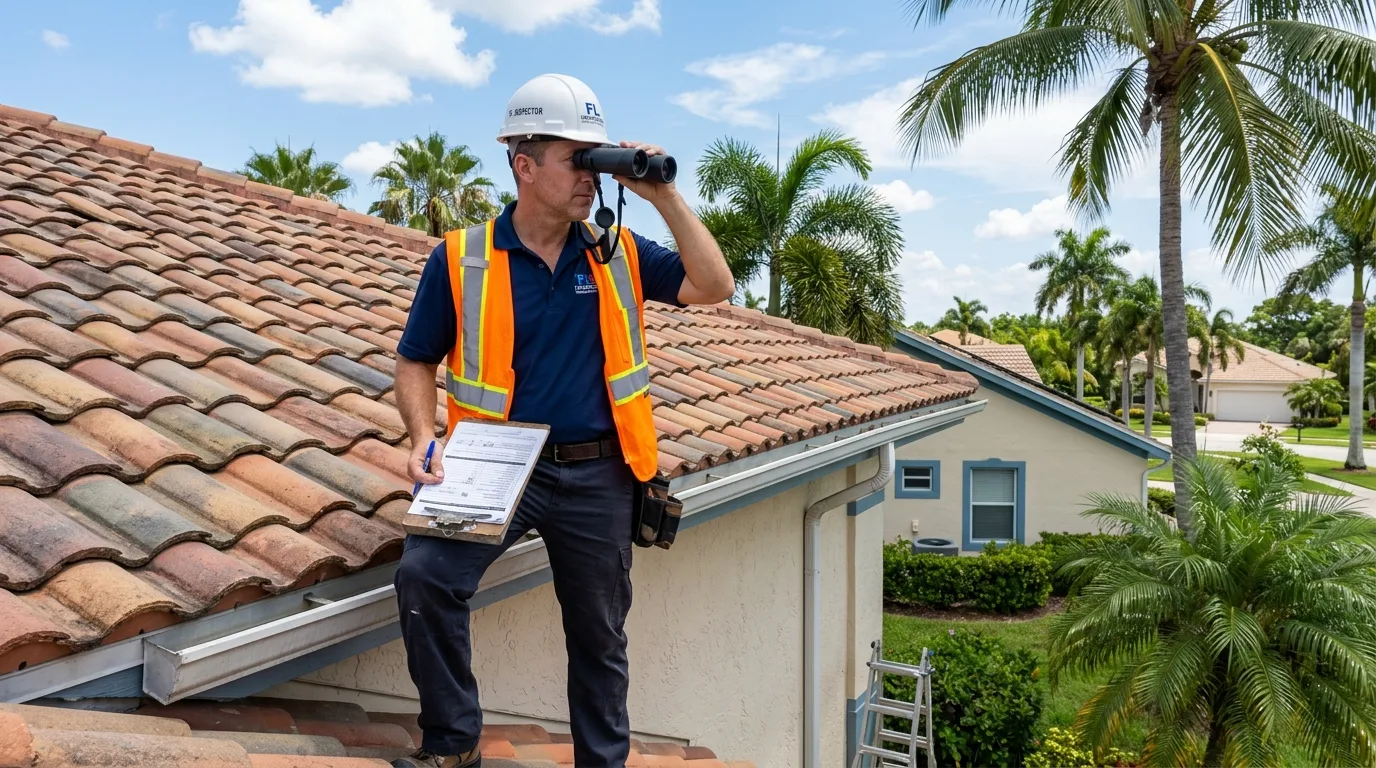
Hurricane season in Wilton Manors begins June 1, and the worst time to discover a vulnerable roof, corroded plumbing, or deteriorated window seals is when a tropical storm is already approaching. Every year, Broward County homeowners who deferred pre-season maintenance face preventable water damage claims during the first significant storm of the season — damage that a $300–$600 inspection and $500–$2,000 in preventive repairs would have avoided entirely. This checklist covers the critical inspection items for Wilton Manors properties before each hurricane season.
Pre-Season Assessment for Wilton Manors Homeowners
Our team can assess your property's water damage vulnerabilities before hurricane season begins. Call (877) 698-1311.
Why Pre-Season Preparation Matters in Wilton Manors
Wilton Manors’ status as a city where 48.6% of properties face current flood risk — rising to 98.7% within 30 years — means that hurricane season is not a hypothetical threat; it’s the primary annual water damage risk event for most homeowners in this community. The peak of hurricane season (August–October) delivers not only named storm threats but also near-daily intense thunderstorms that can exploit any vulnerability in a home’s building envelope.
Pre-season preparation is also an insurance risk management step. Florida insurers review claim histories, and homeowners who experience recurring storm-related water damage claims face policy non-renewal risk. Documenting pre-season inspection and maintenance creates a record that supports the “sudden and accidental” characterization required for most water damage claims.
Exterior Inspection Checklist
Roof inspection:
- Inspect all visible roof areas from the ground for missing shingles, lifted shingles, or damaged ridge caps
- Inspect roof flashing at all penetrations (plumbing stacks, HVAC lines, skylights) for gaps or separation
- Check soffit and fascia for water staining, soft spots, or evidence of prior water intrusion
- Ensure attic ventilation openings are clear of debris and functioning
- For flat or low-slope roofs: inspect the membrane surface for bubbles, tears, or pooling areas
Gutter and drainage system:
- Clean gutters and downspouts of all debris accumulated from winter season
- Verify downspout discharge directs water at least 6 feet from the foundation
- Check that drainage swales adjacent to the property are clear and graded away from the structure
- Inspect splash blocks at downspout bases for proper positioning
Windows and doors:
- Inspect all exterior window frames and door frames for caulk deterioration (cracking, shrinkage, or gaps)
- Check window glazing compound for cracking around glass panes
- Test all window and door operation to ensure they close fully and lock
- If you have hurricane shutters, test their installation and operation now — not during a storm
Foundation and exterior walls:
- Walk the perimeter and inspect the soil grade — it should slope away from the foundation, not toward it
- Inspect exterior block or stucco for cracks larger than hairline width (these can allow moisture infiltration)
- Look for efflorescence (white mineral deposits) on exterior walls — a sign of chronic moisture wicking
Interior Inspection Checklist
Plumbing assessment:
- Inspect under all sinks, around all appliances with water connections (dishwasher, refrigerator, washing machine, water heater), and in utility closets for signs of moisture or mineral deposits
- Check toilet base for moisture — soft flooring around toilet bases indicates a wax ring failure with slow leakage
- Know the location and operation of your main water shutoff — practice operating it once before hurricane season
- For homes built before 1980: consider scheduling a licensed plumber for camera inspection of drain lines and pressure testing of supply lines
HVAC system:
- Replace air handler filter — a clogged filter reduces airflow and allows humidity to accumulate in the HVAC system
- Inspect the air handler drain pan for standing water or visible mold — a sign of a clogged condensate drain
- Pour a quart of water into the condensate drain pan to verify it drains freely
- Inspect ductwork in accessible areas (attic, crawl space) for disconnected joints or visible moisture
Electrical safety:
- Know which circuits control which zones — label the panel if not already done
- Verify GFCI outlets function in bathrooms, kitchen, and garage
- If the home is in a flood-prone area: locate the electrical panel and assess whether flooding could reach it — this determines your protocol if flooding occurs
Emergency preparedness:
- Know the location of your main water shutoff, electrical panel, and gas shutoff (if applicable)
- Document the current condition of all rooms with photos — this is your pre-storm documentation baseline for insurance claims
- Verify flood insurance is current and know your policy number and claims contact
Insurance Review Checklist
- Verify homeowners policy is current and covers the full replacement value of the structure
- Confirm flood insurance is current (required for mortgaged properties in FEMA Special Flood Hazard Areas)
- Review your hurricane deductible — it’s typically 2–5% of insured value, not a flat dollar amount
- Verify sewer backup rider is included in your policy
- Consider whether “ordinance or law” coverage is included for your older home
Frequently Asked Questions
How much does a pre-hurricane season home inspection cost in Wilton Manors?
A general home inspection by a licensed Florida home inspector costs $300–$600 for a typical Wilton Manors home. This inspection covers all the major systems including roof, plumbing, electrical, and HVAC. A focused water damage risk assessment or moisture inspection costs $200–$500. Plumbing camera inspections run $200–$400. Total investment in a comprehensive pre-season assessment: $500–$1,500 — a fraction of the average water damage claim cost.
When should I schedule pre-season inspection in Wilton Manors?
Aim to complete all inspections and repairs by May 15 — two weeks before hurricane season begins June 1. This gives time to complete any needed repairs before the first tropical systems of the season. In Wilton Manors, roofing contractors and plumbers begin to book out in April as homeowners prepare for the season; the earlier you schedule, the better availability you’ll find.
What should I do if I find a problem during pre-season inspection?
Prioritize repairs by water intrusion risk. Address any identified roof issues immediately — a missing shingle or loose flashing is a guaranteed water entry point during the first significant storm. Window and door seal failures come next. Plumbing concerns — slow drains, deteriorated supply lines in accessible areas — should be addressed before the season. Contact our team for water damage vulnerability assessments and restoration services if you discover any current moisture damage during your inspection.
Related Resources:
- How Hurricane Season Affects Wilton Manors Homeowners
- Wilton Manors Flood Risk: What Every Homeowner Should Know
- Flood Damage Cleanup Services in Wilton Manors
Be Storm-Ready Before June 1
Call Wilton Manors Water Damage Restoration at (877) 698-1311 for pre-season water damage assessments and 24/7 emergency response throughout Broward County.