How to Prevent Mold in Wilton Manors' Humid Climate, FL
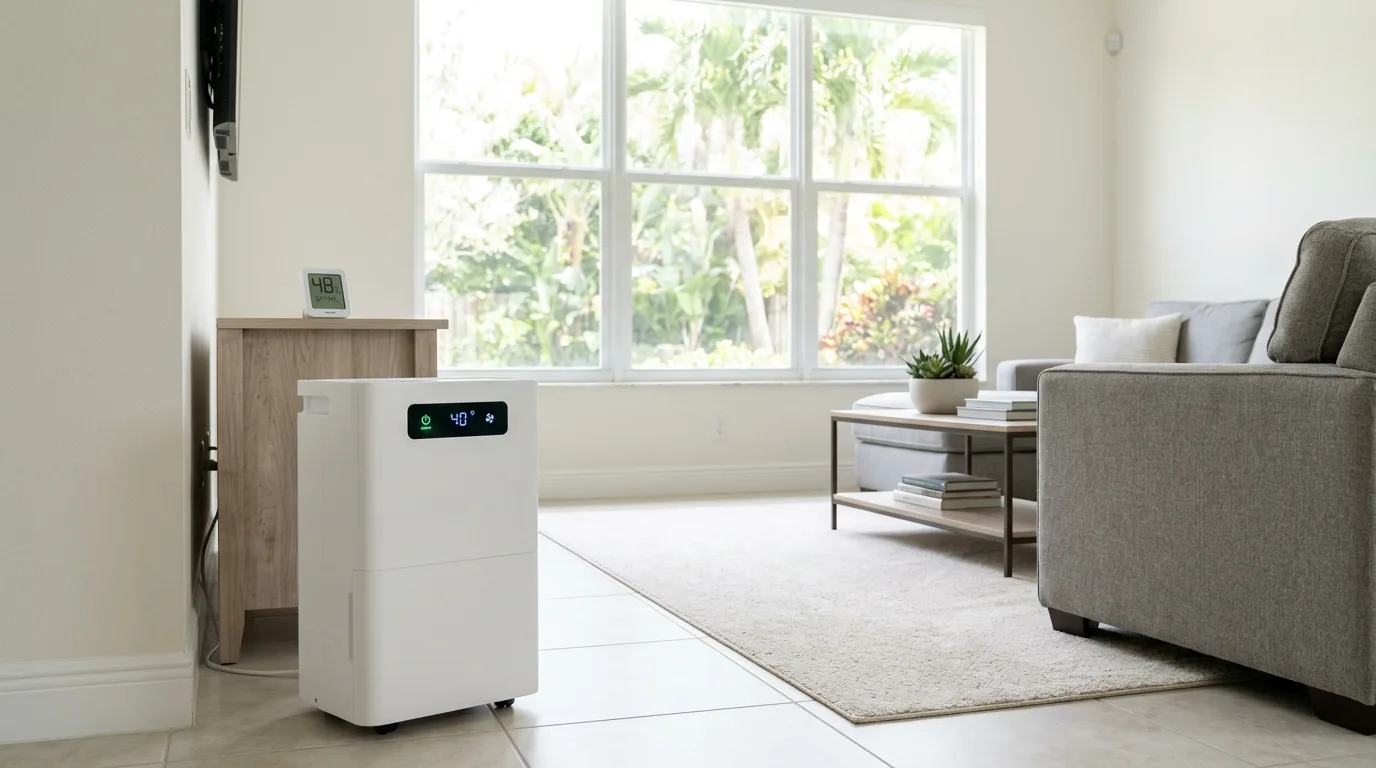
Wilton Manors homeowners face a mold prevention challenge that most of the country doesn’t — in South Florida’s subtropical climate, mold doesn’t need a water event to grow. It simply needs the humidity that is present in Wilton Manors 365 days a year. With outdoor relative humidity regularly reaching 80–90% during the wet season and rarely dropping below 65% even in the driest winter months, maintaining an indoor environment that resists mold growth requires active management — not just reacting to visible problems after they develop.
Mold Remediation and Prevention in Wilton Manors
From mold inspection to complete remediation, our IICRC-certified team serves all of Broward County. Call (877) 698-1311.
Why Mold Prevention Is Different in Wilton Manors
The standard mold prevention advice — fix leaks promptly, run exhaust fans, monitor your bathroom — is a starting point in Wilton Manors, not a complete strategy. The reason is that South Florida’s outdoor humidity is so consistently high that even homes without visible water damage sources can develop mold through humidity infiltration alone.
When outdoor air at 85% relative humidity enters a home and encounters a cool surface (an air-conditioned wall, a cold water pipe, or a tile floor near a duct), that air drops below its dew point and deposits moisture directly onto the surface. Over time, this condensation accumulates in poorly ventilated spaces — inside closets, behind furniture against exterior walls, in utility spaces — creating chronic low-level moisture that’s enough to sustain mold growth in South Florida’s year-round warmth.
Homes in the West Wilton Manors neighborhood near Colohatchee Nature Park and those throughout the Broward County interior experience this dynamic throughout the year. There is no season in Wilton Manors when mold prevention vigilance can be relaxed — but the wet season (May–October) and its peak months of August–October carry the highest risk as outdoor humidity peaks and storm events introduce additional moisture pathways.
Strategy 1: Maintain Indoor Relative Humidity Below 60%
The most fundamental mold prevention strategy is maintaining indoor relative humidity below 60% — the threshold above which most common mold species can sustain growth on building materials. In Wilton Manors’ climate, this requires a functioning, properly sized central air conditioning system running consistently, and in moisture-prone areas, supplemental dehumidification.
Purchase a hygrometer (digital humidity monitor) for each major area of the home — they cost $10–$30 each. Readings consistently above 60% indicate that your current air conditioning and ventilation system is not adequately controlling humidity. If your HVAC system is more than 10–12 years old, its moisture removal efficiency may have declined to the point where replacement or supplementation is warranted.
For spaces that are difficult to keep cool — garage areas, utility rooms, older homes without adequate duct distribution — a standalone dehumidifier set to 55% relative humidity provides targeted moisture control.
Strategy 2: Inspect and Maintain HVAC Condensate Drainage
The air handler of your central AC system removes moisture from indoor air by cooling it below its dew point, collecting the resulting condensation in a drain pan, and routing it out through a condensate drain line. This system removes significant volumes of water — a properly functioning AC system in Wilton Manors can remove 5–15 gallons of water per day from indoor air during peak summer months.
When the condensate drain line becomes clogged — which happens regularly in South Florida’s climate, as algae grow rapidly in the moist, warm environment of the drain line — the drain pan overflows. This overflow can cause water damage to ceilings, walls, and flooring, and creates an immediate mold growth zone in the water-damaged materials. Pour a cup of diluted bleach solution into the condensate drain access point every 3 months to prevent algae buildup.
Strategy 3: Control Moisture at Entry Points
Every penetration in the building envelope is a potential moisture entry point. Window frames, door thresholds, plumbing penetrations through walls, and electrical conduits all allow humid air infiltration if not properly sealed. In Wilton Manors’ mid-century housing stock, many of these seals are decades old and have lost flexibility and adhesion.
Inspect all exterior window and door caulk annually — before hurricane season in May is the ideal time. Caulk that has cracked, shrunk, or pulled away from surfaces needs replacement. For the most vulnerable points — window corners, door thresholds, and any wall penetration — use a flexible polyurethane or silicone caulk rated for exterior use and high UV exposure.
Strategy 4: Improve Ventilation in High-Moisture Areas
Bathrooms, kitchens, and laundry rooms generate concentrated humidity that, if not exhausted from the home, migrates into adjacent wall cavities and accumulates on cool surfaces. Exhaust fans in these areas should be rated for the cubic footage of the room and should be used during and for 20 minutes after every moisture-generating activity.
Many exhaust fans in older Wilton Manors homes vent into the attic space rather than outside the home — a common deficiency in pre-1980 construction. Exhaust fans that vent into the attic deposit moisture directly into attic insulation and framing, creating ideal mold conditions in a concealed space. Verify that all exhaust fans vent to the exterior; if not, rerouting is a straightforward HVAC modification.
Strategy 5: Post-Water Event Protocol
After any water event — whether a pipe failure, appliance overflow, roof leak, or storm flooding — follow this dehumidification protocol to prevent mold growth even when the water appears to have dried:
- Call for professional moisture mapping within 24 hours of the event to identify hidden moisture in wall cavities and subfloor materials
- Run AC continuously at the lowest comfortable temperature — lower air temperature significantly reduces air’s capacity to hold moisture
- If professional extraction and drying equipment is not placed within 24 hours, rent commercial-grade dehumidifiers (not consumer box-store units) for affected areas
- Do not replace drywall or flooring over areas that have been wet until a moisture meter confirms target moisture content has been reached
Frequently Asked Questions
What’s the ideal indoor humidity level for a Wilton Manors home?
The target range for indoor relative humidity in Wilton Manors is 50–60%. Below 50% can cause discomfort (dry skin, respiratory irritation) in this climate. Above 60% creates mold growth risk. A continuously running AC system in good condition typically maintains 50–60% if the home’s building envelope is reasonably well sealed. If your home consistently reads above 60%, HVAC maintenance or supplemental dehumidification is warranted.
Can I use a consumer-grade dehumidifier to prevent mold after a water event?
Consumer dehumidifiers remove 30–70 pints of moisture per day. Professional commercial dehumidifiers remove 150–300 pints per day or more. After a water event in Wilton Manors, where structural materials are saturated and outdoor humidity is continuously trying to re-wet dried materials, consumer dehumidifiers typically cannot maintain adequate drying rates. Professional equipment is strongly recommended for post-water-event drying. See our emergency water extraction service for more on professional drying protocol.
How often should I inspect my Wilton Manors home for mold conditions?
A basic walk-through checking for musty odors, wall staining, soft drywall, and flooring irregularities should happen monthly. A more thorough inspection — including checking under sinks, inspecting HVAC condensate drainage, and examining closets against exterior walls — should happen quarterly. A professional moisture inspection with thermal imaging is worthwhile annually for homes with a history of water issues, or as part of the pre-hurricane season inspection routine. For mold remediation when mold is discovered, call immediately — delay increases scope and cost.
Related Resources:
- Mold After Water Damage: Why Wilton Manors Homes Are at Risk
- Mold Remediation Services in Wilton Manors
- Water Damage Restoration Services in Wilton Manors
Mold Prevention Starts With an Inspection
Call (877) 698-1311 for a mold inspection and moisture assessment throughout Wilton Manors and all of Broward County.